
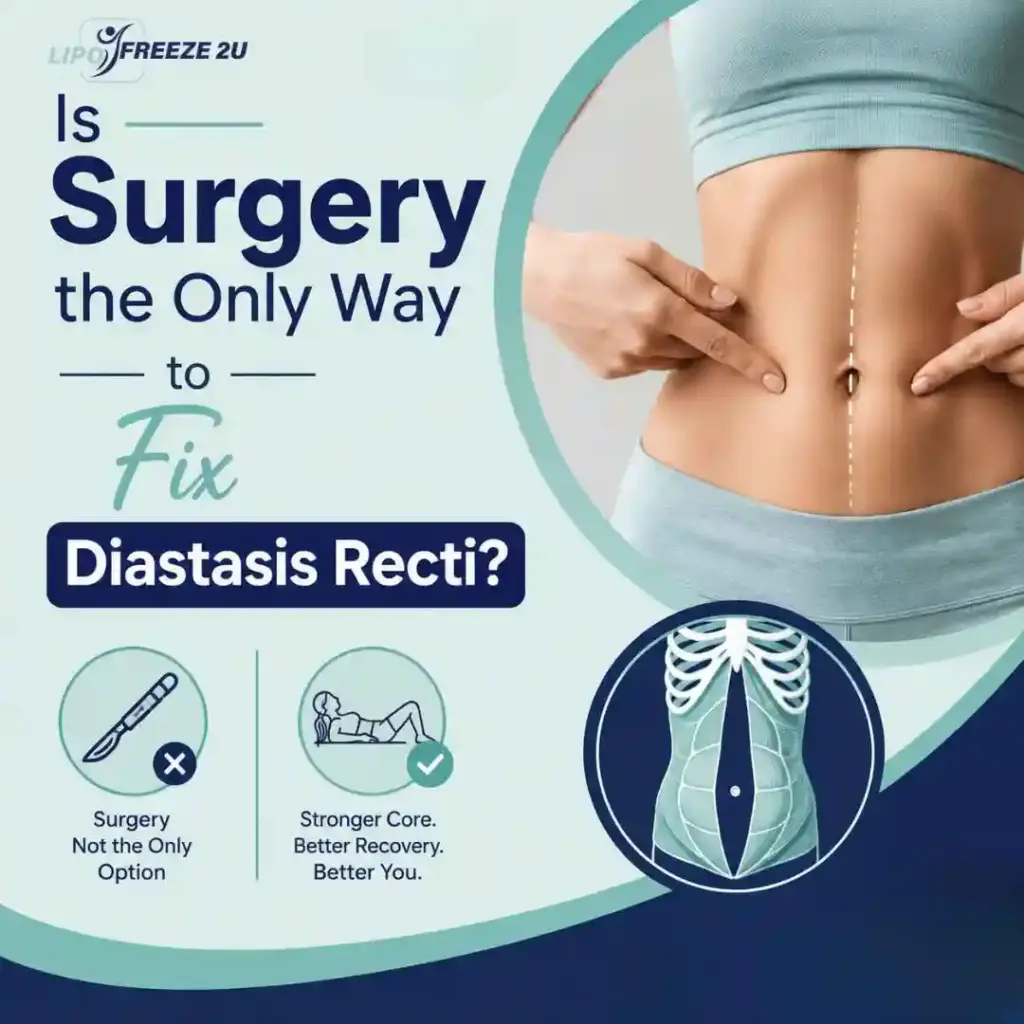
Diastasis recti is one of the most common concerns people experience after pregnancy, significant weight changes, or abdominal surgery. For many, it leads to a persistent tummy bulge that doesn’t improve despite healthy eating and exercise. It’s therefore no surprise that many people immediately assume surgery is the only solution.
The good news is that having diastasis recti does not always mean surgery is your only choice. Many people can improve the appearance of their abdomen by combining the right core exercises, consistent lifestyle habits, and non-surgical treatments that help address stubborn areas of fat.
At LIPO FREEZE 2U Harpenden, we regularly meet clients who want honest advice about their options before considering surgery. Understanding what diastasis recti is—and what different treatments can realistically achieve—can help you make an informed decision.
How Can You Tell If You Have Diastasis Recti, and Why Does It Happen?
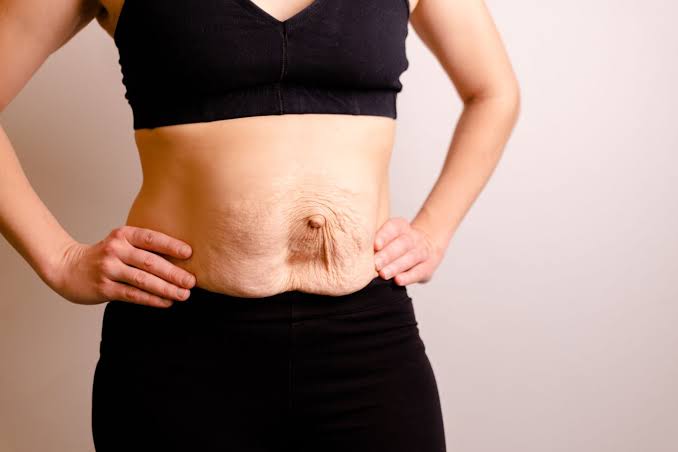
Diastasis recti Harpenden develops when the two sides of the rectus abdominis (your “six-pack” muscles) become separated as the connective tissue running between them becomes stretched and less supportive. Combining Treatments for Faster Post-Pregnancy Recovery: Which Non-Surgical Treatment Plan Is Right for You?
Although it’s most commonly associated with pregnancy, it can also develop in:
- Women after multiple pregnancies
- Men carrying excess abdominal weight
- People who have experienced rapid weight gain
- Individuals who regularly lift heavy weights incorrectly
- Anyone with increased pressure inside the abdomen
Common signs include:
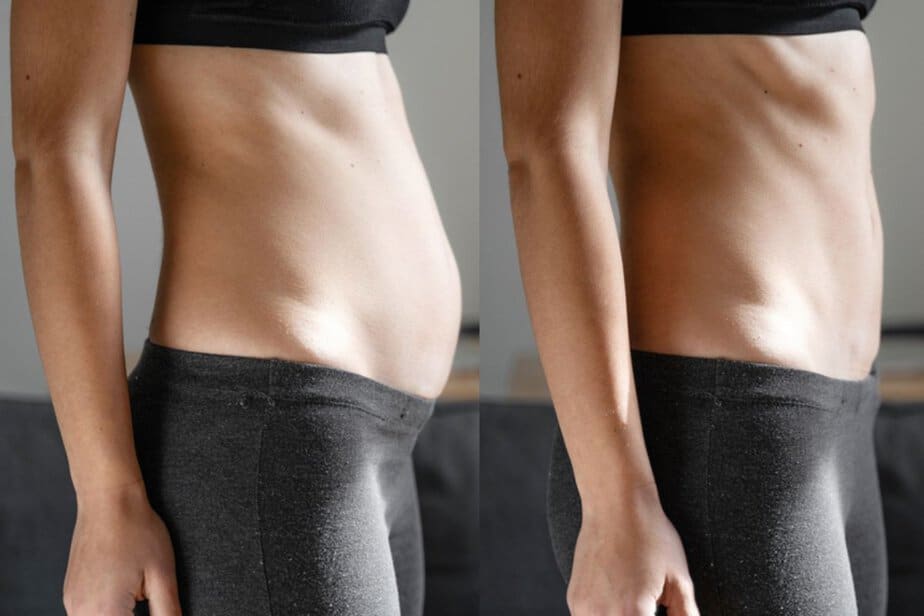
- A visible bulge running down the centre of the stomach
- A tummy that still appears pregnant months after giving birth
- Weak core muscles
- Poor posture that becomes more noticeable over time
- Ongoing lower back pain or discomfort
- A weak core that makes certain exercises feel difficult
Many people assume the bulge is simply stubborn belly fat, but in reality, it may be caused by weakened abdominal muscles and stretched connective tissue.
Is Surgery Really the Only Way to Repair Diastasis Recti?
No—not in every case.
The right treatment depends on how severe the muscle separation is, your symptoms, and your personal goals.
Generally speaking:
Mild Separation
Many mild cases can improve with a structured programme of core rehabilitation exercises and guidance from a qualified physiotherapist. See Here How Long Does It Take for Your Stomach to Go Back to Normal After Pregnancy?
Moderate Separation
Moderate muscle separation may benefit from a combination of targeted core-strengthening exercises, physiotherapy, and long-term healthy lifestyle changes.
Severe separation
If the muscles have separated considerably or a hernia is present, surgery may be recommended by a qualified medical professional.
Surgery usually involves stitching the abdominal muscles back together and is sometimes combined with a tummy tuck to remove excess skin.
However, surgery also comes with considerations such as:
- General anaesthetic
- Scars from the procedure
- A period of recovery before returning to normal activities
- Time away from work and everyday life
- Possible complications linked to surgery
For this reason, many people look into safer, non-surgical alternatives before deciding whether an operation is the right choice for them.
What Non-Surgical Treatments Can Help Improve Diastasis Recti Naturally?
Although non-surgical treatments Harpenden cannot physically stitch separated muscles back together, they can still make a significant difference to your overall abdominal appearance and confidence.
Helpful approaches include:
Core rehabilitation
Working with a qualified physiotherapist can strengthen the deep abdominal muscles that support your core.
Correct breathing techniques
Proper breathing helps activate the transverse abdominis—the body’s natural corset.
Postural improvements
Improving your posture can help minimise unnecessary pressure on the abdominal muscles while encouraging better core stability during everyday movements.
Healthy weight management
Maintaining a healthy weight may help minimise excess abdominal fat, helping the stomach area look firmer, more defined, and better proportioned.
Nutrition
Eating a nutritious, well-balanced diet provides the body with the essential nutrients needed to support tissue health and overall wellbeing.
Non-surgical body contouring
If stubborn abdominal fat is preventing you from feeling confident, non-surgical body contouring treatments may help enhance your natural shape while supporting your overall body goals and maintaining realistic expectations about the outcome.
Why Are More People Choosing Non-Surgical Solutions Before Considering Surgery?
Many people today want effective treatments without the recovery associated with surgery Harpenden.
Some of the reasons include:
No lengthy recovery
Most non-surgical treatments require minimal downtime, helping you return to your everyday activities much faster compared with surgical procedures.
Convenient treatment experience
Procedures are usually carried out in a clinic environment, so an overnight hospital stay is generally not required.
Reduced treatment risks
As non-invasive treatments don’t involve incisions or general anaesthesia, they generally carry fewer risks than surgical procedures.
Gradual, natural enhancement
Results develop over time, helping to refine your body shape in a subtle and natural-looking way.
Personalised treatment options
Treatment plans can be personalised around your specific goals and supported with healthy lifestyle choices to help achieve the best possible results.
Choosing a non-surgical approach first gives you the opportunity to explore less invasive options before deciding whether surgery is the right choice for your needs. See here: What Is Diastasis Recti and Why Does It Happen During Pregnancy?
Can Fat Freezing and Body Contouring Help if You Have Diastasis Recti?
This is one of the questions we hear most often.
The honest answer is:
Fat freezing does not repair separated abdominal muscles.
However, it may still benefit suitable clients.
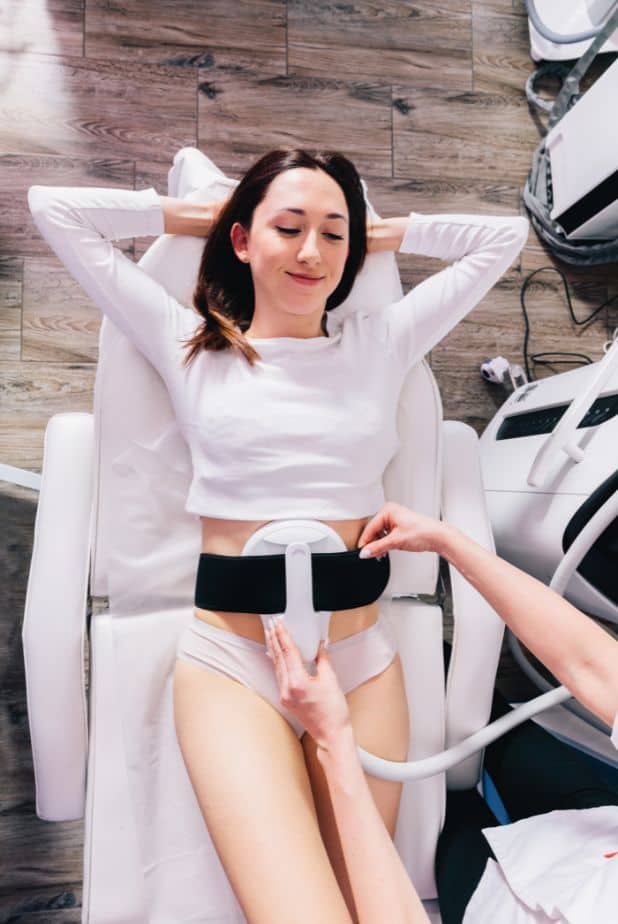
If stubborn fat around the abdomen is making the tummy appear larger or masking the results of exercise, fat freezing may help reduce localised fat deposits.
By improving abdominal contours, some clients feel more confident while continuing physiotherapy or core rehabilitation.
At LIPO FREEZE 2U Harpenden, we believe in giving realistic advice—not false promises.
Our experienced team carefully assesses each client to determine whether non-surgical body contouring is appropriate or whether another approach would better suit their needs.
Every treatment plan is tailored to the individual because no two bodies—or treatment goals—are exactly alike.
How Does LIPO FREEZE 2U Harpenden Help Clients Improve Their Post-Pregnancy Body Confidence?
Choosing a provider is about more than the treatment itself. It’s about receiving honest guidance and personalised care.
At LIPO FREEZE 2U Harpenden, we focus on understanding your concerns before recommending any treatment.
Our consultation includes:
- Listening to your goals
- Assessing the treatment area
- Explaining what non-surgical body contouring can realistically achieve
- Discussing whether another healthcare professional may be better placed to help if muscle repair is required
- Creating a personalised treatment plan
We believe informed clients make better decisions, which is why we always explain both the benefits and the limitations of treatment.
Our priority is helping you feel confident, supported, and fully informed throughout your body contouring journey. Check out 10 Benefits of Body Toning for Diastasis Recti Harpenden
How Can You Decide Whether Surgery or a Non-Surgical Approach Is Right for You?
There isn’t a single answer that suits everyone.
You may want to think about:
- The extent of your abdominal muscle separation
- Whether you are dealing with discomfort, pain, or limitations in daily activities
- Whether a hernia has developed alongside diastasis recti
- Your plans regarding future pregnancies
- How much recovery time you are comfortable with
- Your daily routine, work requirements, and lifestyle needs
- The type of results you are hoping to achieve
If your main concern is stubborn abdominal fat rather than severe muscle separation, non-surgical body contouring may be worth exploring first.
If muscle repair is medically necessary, speaking with a qualified healthcare professional will help you understand whether surgery is the most appropriate option.
The important thing is making a decision based on professional assessment—not assumptions.
FAQs
Q: Can diastasis recti heal naturally without surgery?
However, there are lots of exercises and total body rehabilitation that can improve scores on separation, especially where it is mild. For a more serious separation, medical advice should be sought.
Q: How do I know if my abdominal separation is severe enough to need surgery?
A healthcare professional or specialist physiotherapist can evaluate the extent of the separation and advise whether surgical intervention may be necessary.
Q: How long does it take to notice results from fat freezing?
Results are not immediate, as your body needs time to naturally process and remove the treated fat cells. Most clients begin noticing visible improvements gradually over the following weeks and months.
Q: Can fat freezing repair separated abdominal muscles?
No. Fat freezing reduces stubborn fat cells but does not reconnect or repair separated abdominal muscles.
Q: Is it safe to have non-surgical body contouring after pregnancy?
Many people choose body contouring after pregnancy once they have recovered fully. A professional consultation can determine whether treatment is suitable for you.
Q: Why choose LIPO FREEZE 2U Harpenden for non-surgical body contouring?
At LIPO FREEZE 2U Harpenden, every client receives a personalised consultation, honest treatment advice, and a tailored plan designed around their individual body goals and realistic expectations.
For Further Information, Please Call Us ON 03300 105 225